
At the Qualcomm Snapdragon Summit in Hawaii, Google announced the development of an operating system for personal computers. It will be a new platform that combines Android and ChromeOS. The release is scheduled for 2025.
What Google is planning
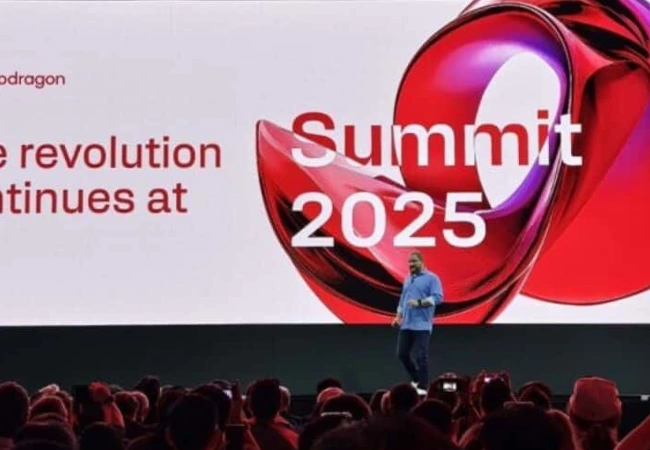
According to the head of the Android ecosystem, the company’s goal is to transfer the artificial intelligence features already used in smartphones to computers. These include automatic power management, security tools and personalised tips. Close integration with phones, tablets, TVs and other Android devices is also planned.
Google wants to make Android laptops a natural extension of mobile devices. If a user starts working on their phone, they will be able to continue without delay on their computer: from open tabs in the browser to documents in the cloud or mobile applications.
Another area of focus is the synchronisation of messages and calls. It is expected that messages from messengers and SMS will be readable and replyable directly from the laptop, and calls from the phone will be answerable through headphones or the computer’s microphone.
The integration of Android Auto and Google Home features is also being considered. This means that new laptops will be able to interact better with car systems and smart homes. For corporate users, extended support for remote work is planned in the future: shared documents, video conferences with automatic speech recognition and real-time translation.
ChromeOS and the new OS
Google has been releasing ChromeOS since 2011. It was created for Chromebooks – simple laptops designed for working through a browser and cloud services. Its main advantages were fast startup, low hardware requirements, and easy updates. Most of these devices were used in schools and educational institutions.
The new OS will differ in that it will be based on Android rather than Chrome. This means:
- access to mobile applications directly on your computer;
- a single environment for smartphones and laptops;
- support for artificial intelligence tools already integrated into Android;
- broader opportunities for developers thanks to a common set of tools.
ChromeOS will remain a separate project, but its role in Google’s new strategy will be smaller.
Qualcomm processors
The first Android computers are expected to run on Snapdragon X2 Elite and Elite Extreme processors. Qualcomm has presented them as energy-efficient solutions for laptops. This will allow for thin devices with long battery life.
Prospects
The first models may appear in 2025. Likely manufacturers will be Lenovo, HP, Acer, and other Google partners. The company may focus on both the education segment, currently dominated by Chromebooks, and the broader market for affordable laptops. Corporate users, for whom it is important to have a shared smartphone and computer ecosystem, are being considered separately.