
Europe is associated with crowded squares, tourist queues and noisy crowds at famous landmarks. But alongside the big capitals, there are dozens of small towns where mass tourism has not yet arrived. Here it is easier to feel the local rhythm of life and enjoy the cuisine, culture and architecture without rushing.
Tip for travellers: most of these cities do not have large airports, so plan your trip via the nearest major hubs – Munich, Zurich, Geneva, Pisa, Dubrovnik or Split. Thanks to trains and buses, it is easy to get there, and the roads themselves become part of the journey. Below is a selection of ten cities that can be a pleasant alternative to popular destinations.
Annecy, France
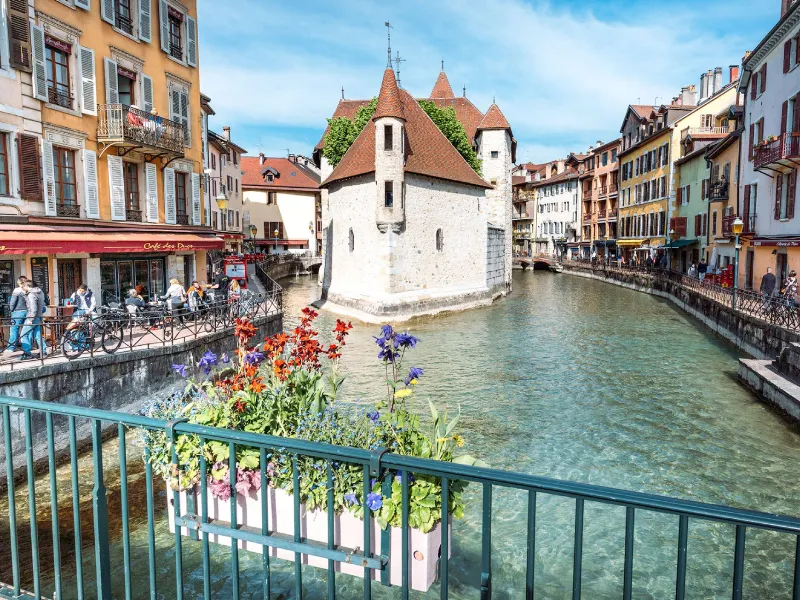
The city on the shores of Lake Annecy is known for its canals, which have earned it the nickname ‘French Venice’. Numerous festivals are held here, from animated films to music festivals.
The most famous sights are the Palace on the Island, Rue Sainte-Claire and the Bridge of Lovers. It is a convenient place for those who want to combine a lakeside holiday with cultural events.
📍 How to get there: by bus from Geneva (about an hour).
Colmar, France
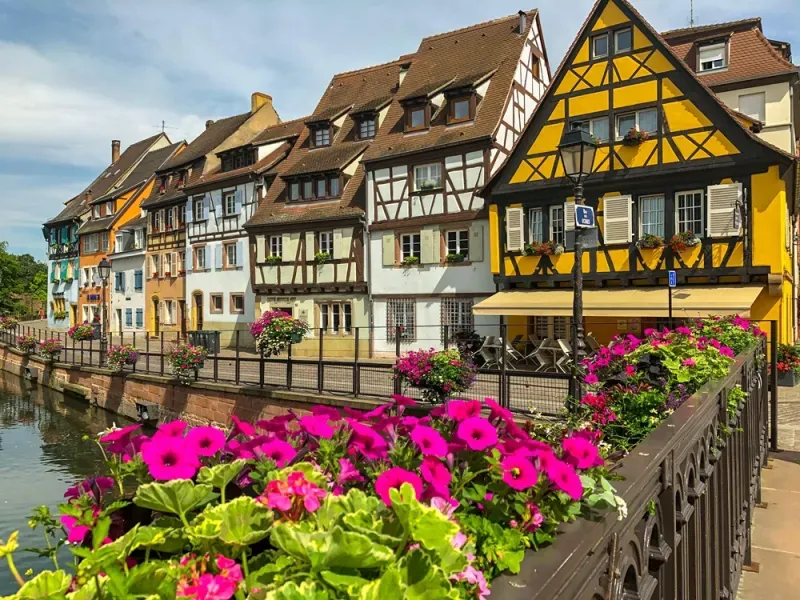
This town in Alsace resembles an open-air museum. Colmar is famous for its wooden houses with painted facades, narrow canals and wine cellars. The atmosphere is reminiscent of fairy-tale illustrations, especially in spring when the streets are in bloom.
A 20-minute drive away is the village of Eguisheim, which was named the most beautiful village in France in 2013. It is compact but gives an idea of the traditional life of Alsatian winegrowers.
📍 How to get there: direct train from Strasbourg (30 minutes). From Zurich, the drive takes about an hour and a half.
Innsbruck, Austria
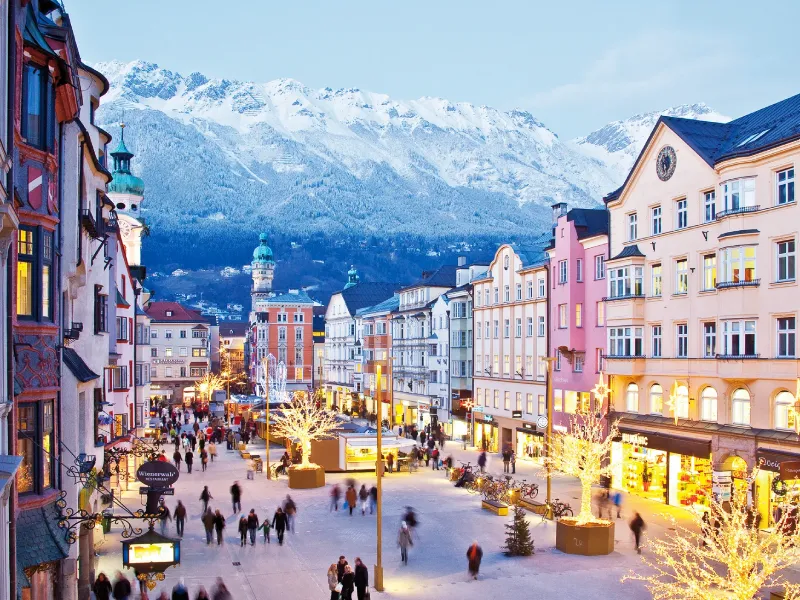
This city in the Alps is known for its ski resorts, but in summer, life here takes on a different rhythm. You can climb the mountains, visit the Alpine Botanical Garden or swim in the high-altitude lakes.
The combination of old architecture and modern buildings creates a sense of balance between tradition and modernity. The Swarovski Crystal Worlds museum is particularly popular.
Rothenburg ob der Tauber, Germany
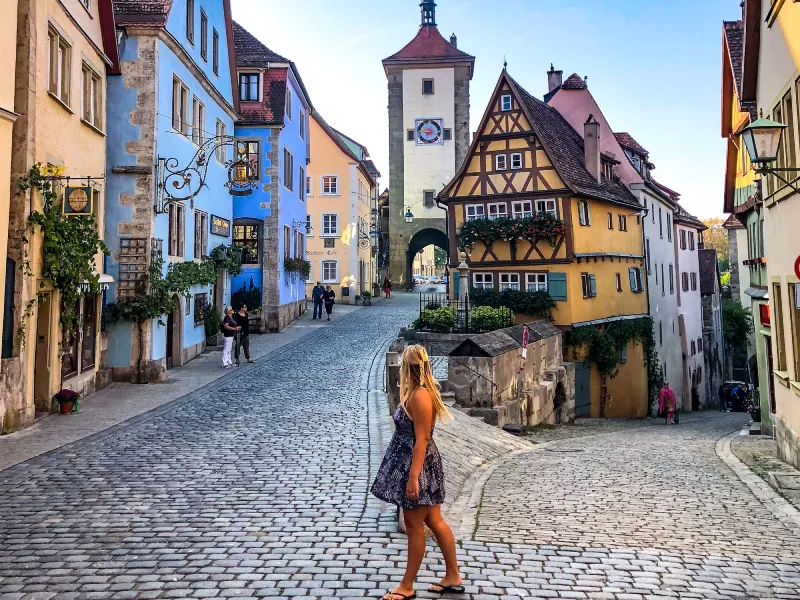
This Bavarian town has retained its medieval appearance: stone gates, houses with pointed roofs and cobbled streets. It has a Christmas museum, a year-round fair and evening tours with the town watchman.
There are no modern buildings in Rothenburg, so the city looks as authentic as possible. This is one of the reasons why photographers and filmmakers come here.
📍 How to get there: by train from Munich, about 3 hours on the road.
Manarola, Italy
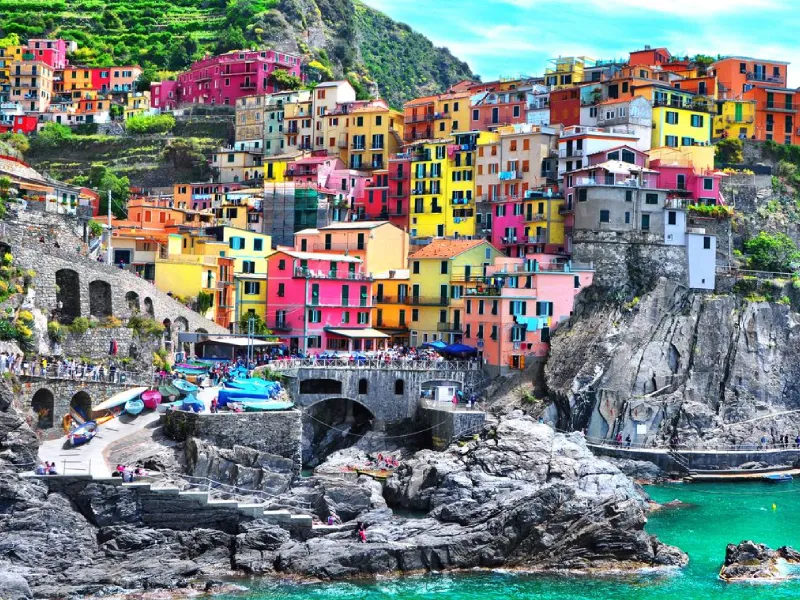
One of the five parts of the Cinque Terre region. Manarola is located on a cliff overlooking the Ligurian Sea. The town is small, but here you can combine walks among the vineyards with tastings of local wines and seafood.
There are almost no beaches in Manarola, but this place is well known among divers — the clear water and cliffs allow you to see marine life up close.
📍 How to get there: from Pisa to Manarola — about 1.5 hours by car.
Valletta, Malta
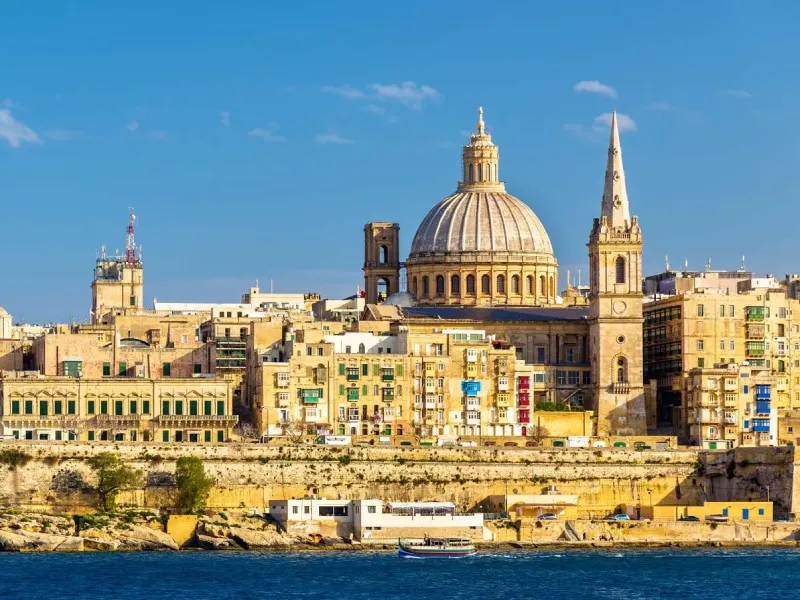
The capital of Malta is small but has a large number of architectural monuments, from cathedrals and palaces to ancient fortifications. The city is easy to explore on foot, and you can spend your free time on a boat trip around the bay.
For art lovers, Valletta has the National Museum of Fine Arts and the Manwel Theatre. The climate is mild in spring and autumn, so these periods are considered the most convenient for visiting.
Gothenburg, Sweden
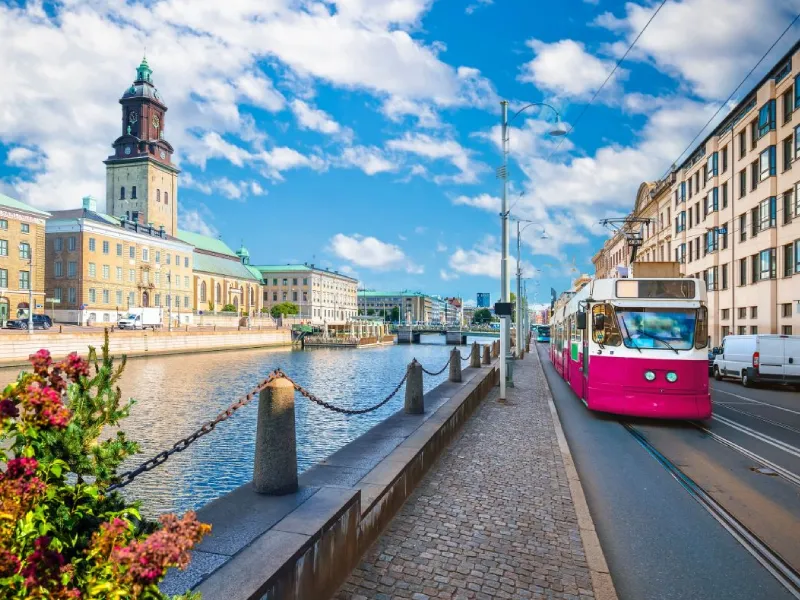
The country’s second largest city is known for its restaurants and fish markets – it is considered the gastronomic capital of Sweden. There are significantly fewer tourists from abroad here than in Stockholm, so the atmosphere is more relaxed.
In addition to gastronomy, Gothenburg offers walks through the archipelago, modern museums (technology, design, culture) and clean beaches.
Mostar, Bosnia and Herzegovina
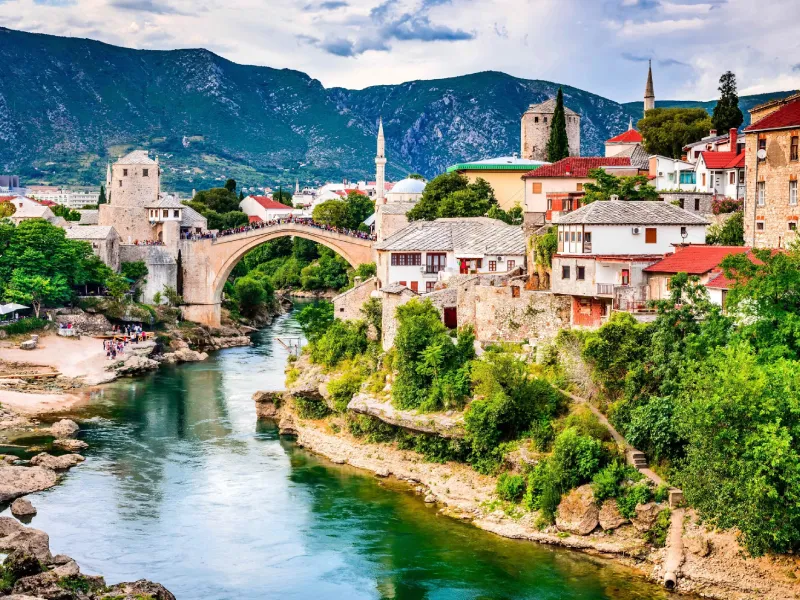
The city is famous for its Old Bridge over the Neretva River, which is a symbol of reconciliation and recovery after the wars of the 1990s. The old town with its stone streets, market and cafés has retained its Eastern European-Ottoman character.
Prices in Mostar are lower than in neighbouring Croatia, making it attractive for budget travellers.
📍 How to get there: two hours by car from Dubrovnik or Split.
Pučica, Croatia
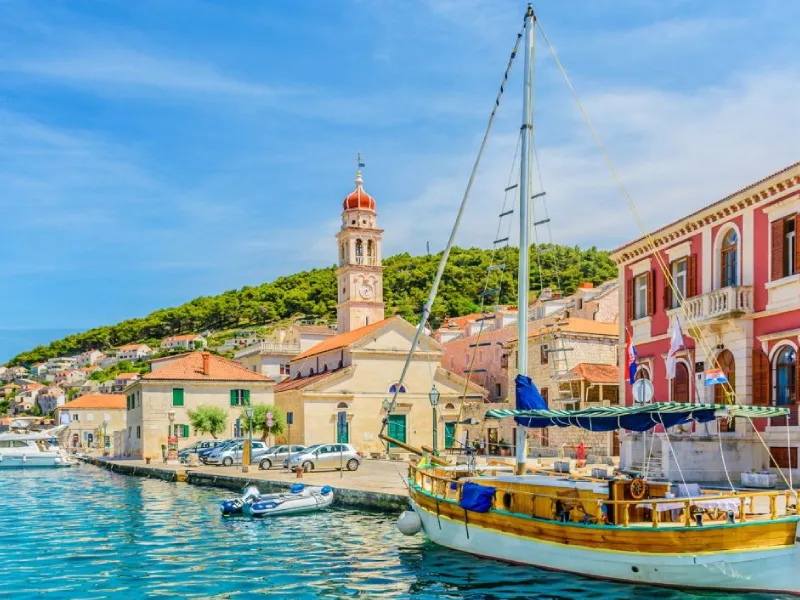
This village on the island of Brač is famous for its stonemasonry traditions and its bay with crystal clear water. There are not many tourists here, so it is easy to find quiet places to swim.
The local cuisine is based on seafood, and souvenirs often include items made from local white stone.
📍 How to get there: ferry from Split (1 hour, several trips a day).
Toruń, Poland
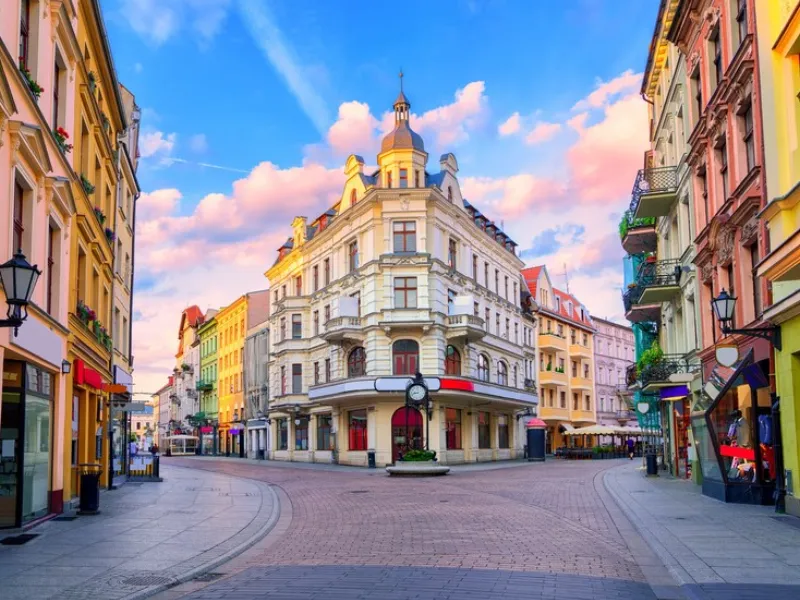
The old town is listed as a UNESCO World Heritage Site. Toruń is famous for its Gothic architecture and gingerbread, which has been baked here since the 13th century.
It is interesting to visit the Town Hall and the old tavern ‘Under the Wise Apron’, which has been operating continuously since the 17th century. In the evening, the historic centre is illuminated, creating a special atmosphere for walks.
📍 How to get there: from Gdańsk by car – about 1.5 hours.